

Constellation, Upgraded: A Tour of the System That Runs Everything
A six-minute walk through the single app that now runs the projects, the day and the entire AI software team.
Introduction
Earlier this month I wrote about how one person can run a medical software company. That piece was the argument: the problem that forces a system like this into existence, the collapse in the cost of software labour that makes it possible, and the architecture that turns raw model capability into something dependable enough for regulated health.
This piece is the tour. I have just upgraded Constellation, the app that holds the whole thing together, and recorded a six-minute walkthrough of it running. If the last article was the blueprint, this is the building.
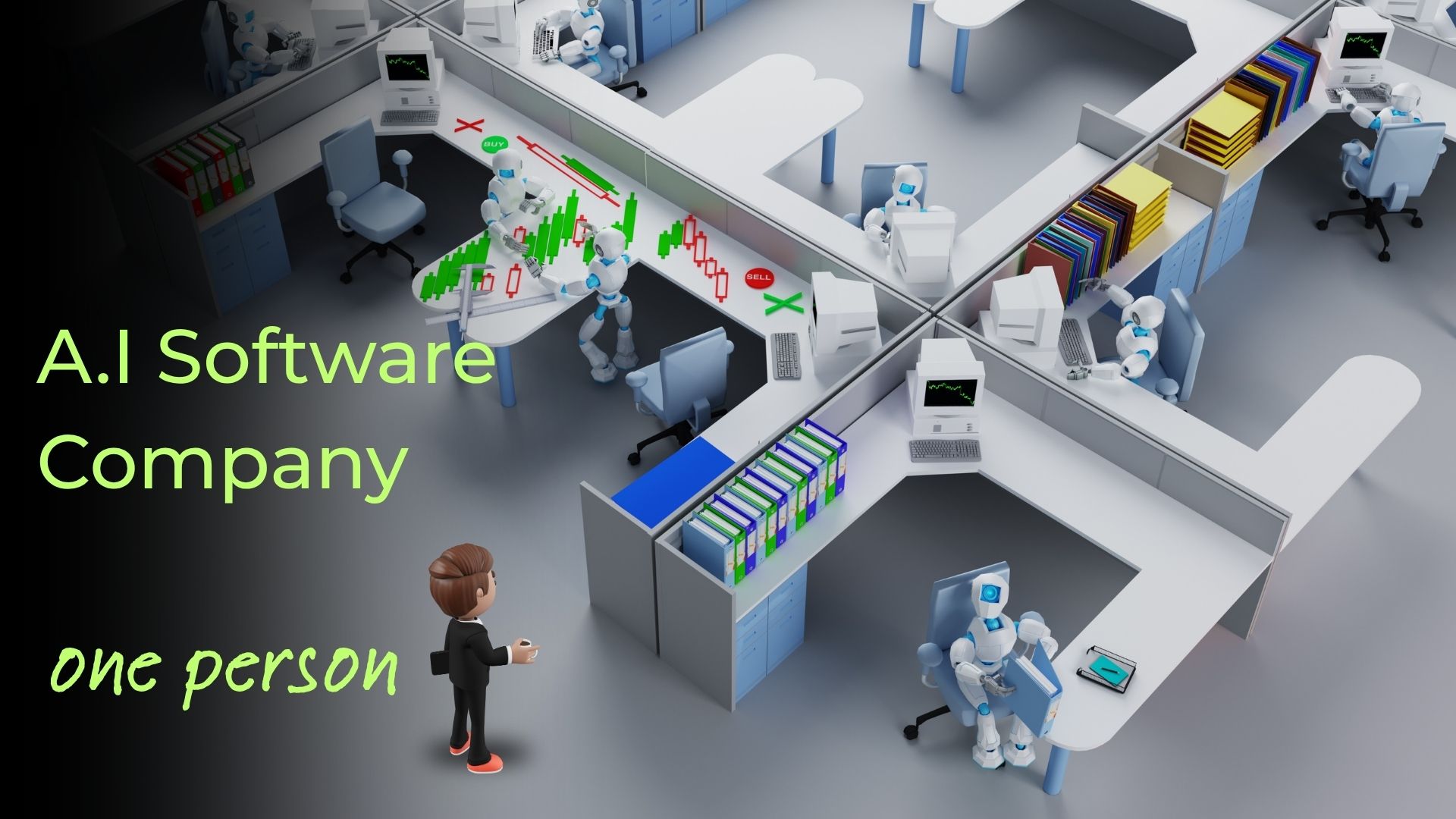
A short version for anyone arriving cold. Medware is a portfolio of healthcare technology companies. It runs more than twenty products with three people, and the entire software development function sits with one of them. The team has not been outsourced and it has not vanished. It has been rebuilt as an organisation of AI agents, and Constellation is where I command it.
The dashboard: what should I be doing right now
Constellation opens on the dashboard, and the dashboard answers one question. What should I be doing right now, across everything, personal and business.
It pulls from several email accounts and several calendars and prioritises the lot into a single ordered view. I can filter out the noise I never want surfaced, drop into a focus mode that strips the screen back to what needs attention this minute, and capture a new note or action in a single sentence that files itself into the right list. A digest sits behind one button with a badge on it, telling me how many things genuinely need me today.
For a founder with ADHD running twenty schedules and four inboxes, this is not a convenience. It is the difference between a working day and a lost one.
Work: projects, tasks and environments
Behind the day sits the work.
Projects is the registry of everything Medware runs, grouped by company and subgroup. I can read it as a list, as a progress view that shows what is live and how each project sits in the hierarchy, as a mind map, or as a tree. I can open any project and set its goals and objectives by hand, and the AI keeps the same record current as it works. That last point is the quiet engine of the whole thing. Every project carries enough context that an agent can never wander into the wrong one, or confuse two that look alike. Whether I work through Claude directly or through Constellation, the project is described once and trusted everywhere. Everything exports to CSV and imports back, so nothing is locked in.
Tasks is the work in flight. I can see what is running right now, what each task depends on, and which agent is carrying it. There can be hundreds at once. To start something new I pick the project, write the brief in as much detail as I like, and set it going, and Constellation spins up the right suite of agents to carry it, or works with the ones Claude suggests.
Environments is the unglamorous part that makes the rest safe. It gives each agent the right environment to work in and keeps the keys managed properly, rather than scattered through scripts and chat windows.
Knowledge, learning and trust
The next section is where the system gets its judgement.
Knowledge stores the documents, either across all projects or tied to one. I drop in Word files, HTML, PDFs and more, and Constellation parses them into a form that is far faster and cleaner for an agent to retrieve and reason over. Nothing important sits in a folder no one reads.
Learning is skills. These are capabilities I can write or import and then hand to a sub-agent, an AI dedicated to one job done well.
Trust is the part I care most about in a medical context. It sets how confident an agent has to be before it acts on its own. In plain terms, do not proceed unless you are ninety per cent sure. In an industry where a confidently wrong compliance claim is a liability rather than a quirk, a system that has to declare its confidence, and hold back when that confidence is low, is not a nice extra. It is the whole point.
The software team
Then there is the team itself, and this is the part that still surprises people.
The software organisation is built from the departments and skills a given project needs, and I can view it as an office or as a network, with departments, skills and line management all set deliberately. My medical software team spans customer service, customer advisory, compliance, regulations, security, legal, data, systems, testing, back end, front end, design, training, documentation and medical.
I do not talk to all of them. I talk to one. Atlas sits at the head of every department manager and runs on the most powerful model Anthropic offers. Below Atlas the work flows down to cheaper models as the reasoning gets less critical, which is how the whole organisation stays affordable. Frontier intelligence is spent on judgement and coordination. The volume work runs on models costing a fraction as much.
When I use Constellation directly rather than through Claude, work enters through an inbox. I drop information in, Atlas works out which departments are involved, passes the relevant pieces to the right managers, and they pass it down to their teams. Constellation draws the flow on the fly, so I can watch a brief move through the organisation. In the walkthrough I open a task I set up called bulk PBS resubmission, and you can watch it draw up a plan, decide which departments are in, write the brief and boot up the specialists. A reference library sits alongside all of it, holding the documents each part of the team needs for quick and precise reference.
Why this is the part that matters
The models are not the moat. Everyone has the same models, and they improve on a curve that redraws the benchmarks every few months. The moat is the organisation around them: the memory that stops a stateless tool forgetting what it did yesterday, the registry that stops it working on the wrong thing, the trust thresholds that keep it honest, and the cockpit that keeps one human pointed at the next right decision.
Constellation is that organisation in a single window. Three people, twenty products, and one app where a software team used to be.
The six-minute tour is above. If you want to talk about building something like it in your own organisation, visit https://medwareadvisory.com.